Editha at AFSF 2026

Generation Africa: The call that became a movement

In 2018, one phone call set Wasafiri on the path to designing Generation Africa. Through the eyes of innovator Editha Mshiu, we look at what the movement has meant for the young agripreneurs closest to the problem, and what it asks of funders.

In September 2018, Wasafiri’s Ian Randall took a call from a long-standing collaborator, Arne Cartridge of Yara. Arne had just returned from the African Green Revolution Forum (now Africa Food Systems Forum) with a message he couldn’t shake: Africa’s young, ambitious, tech-savvy people were heading to the cities in search of opportunity, while the food system, with the greatest promise for innovation, jobs and growth, was missing out on their energy.

Could Wasafiri’s Systemcraft approach help design something to change that?

It could. We began with a Landscape Study, spotted a window of opportunity, and incubated Generation Africa with Yara, Econet and a widening circle of partners, before handing it on to a dedicated Secretariat. Its beacon was the GoGettaz Prize. Today we take a look at what that movement looks like years on, and what one winner says it has meant for her.

Fast forward to September 2025, and we’re at the 20th Africa Food Systems Forum in Dakar where the 7th annual GoGettaz Agripreneur Prize was awarded. 13 finalists from 11 countries took part, and US$167,000 in prize money was awarded. Their businesses ranged from artificial intelligence and satellite analytics to solar-powered incubators and locally made machinery.

GoGettaz co-founder Strive Masiyiwa, Founder and Chairman of Econet, told them to “keep on imagining solutions that my generation never thought of.”

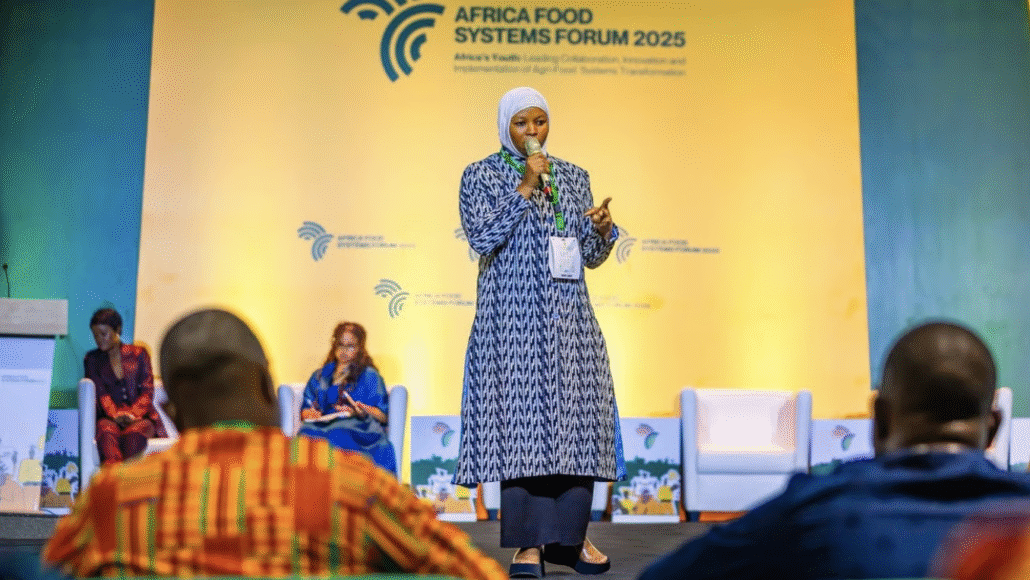
One of the winners was Tanzanian entrepreneur Editha Mshiu, who took home an Impact Award for her company, Freshpack Technologies. Editha worked in horticulture and agribusiness before launching Freshpack, so she knew where the losses happen.

Around 40% of crops in Africa spoil after harvest, and informal produce vendors, many of them women, feel it first. Freshpack’s answer is an affordable, portable cooling box that needs no electricity and keeps vegetables fresh for days longer.

Figures published by the Milken-Motsepe Prize credit the company with preventing more than 2,000 tonnes of food waste and supporting over 12,900 vendors.

Editha Mshiu
Editha Mshiu

What did the GoGettaz ecosystem add? In Editha’s words, it brought “greater visibility, credibility and access to mentors, investors and fellow agripreneurs across Africa and opened doors to partnerships, funding opportunities and networks that have supported our growth beyond Tanzania. The support that mattered most was not only money: Funding helped us improve production, but guidance from experienced entrepreneurs and connections to partners and markets helped us make better decisions and scale sustainably.”

She also sees the ground shifting: “Youth entrepreneurs are increasingly being recognised as serious innovators and job creators rather than people simply experimenting with business ideas.”

Asked what she would say to organisations backing the next generation, Editha says: “Believe in young entrepreneurs early and support them beyond one-off competitions. They need patient and flexible funding, practical mentorship, market access and opportunities to pilot their solutions. And above all, listen to them and allow them to lead because the people closest to the challenges often understand the most effective solutions.”

Those asks echo the lessons Generation Africa was built on:

  • Beyond one-off competitions. The glitzy prize worked because networks and information flows were being built beneath it.
  • Patient, practical support. Generation Africa held tightly to one purpose, galvanising youth-led start-ups in agri-food. Because of that, it was worth every partner’s while, from entrepreneurs to companies to development partners.
  • Let them lead. No single organisation owns Generation Africa. Ian served as Acting Head, then handed over to the Secretariat. Its future depends on no one person or institution.

Ian describes Wasafiri’s role as midwife and incubator: design the conditions, bring partners together, then step back.

For funders, the lesson is practical. Patient capital, mentorship, market access and genuine listening are hard for any single grant to deliver. Well-designed partnerships can. Wasafiri knows this region, works in food, and, using Systemcraft, our guide to tackling complex problems, has seen what happens when partners gather around a tightly held purpose and then let go.

Curious about this work, or how we work? Like what you see here and fancy a coffee? Whether you are thinking about backing African food entrepreneurs or tackling a problem no single organisation can solve, we would love to hear from you: enquiry@wasafirihub.com.

With thanks to everyone who made Generation Africa possible: the Generation Africa Secretariat (Dickson Naftali, Jane Machigere, Caroline Maweu); Yara (Arne Cartridge, Anu Paasiaro, Camilla Nyhuus Christenson); Econet (Dalumuzi Mhlanga, Kathi Bouma, Oswald Jumira, Shingi Jena, Anna-Marie Marks); AGRF and AGRA (Debisi Araba, Adam Gerstenmier, Anne Maria Makhulo); SACAU (Ishmael Sunga); Syngenta Foundation (Simon Winter, Marnie Pannatier, George Osure); Corteva (Barbra Muzata); Agripreneurship Alliance (Anne Roulin, Steven Carr); VC4A (Bertil van Vugt); USAID (Jane Lowicki-Zucca); and the Wasafiri team (Ian Randall, Lorin Fries, Eunice Khaguli, Tina Nyamache, Charles Ondeko). And to Editha Mshiu, for sharing her story.

Share: